Welcome at ICCB 2027

XII International Conference on Computational Bioengineering

ICCB 2027 Plenary Speakers

Plenary speakers are an essential part of the ICCB conference programme. We are delighted to have the following exceptional speakers confirmed, with more announcements to come:

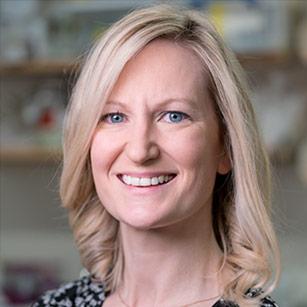
Ellen Roche

Abby Rockefeller Mauzé Professor Professor, Department of Mechanical Engineering, and Institute for Medical Engineering and Science, MIT BOSTON, USA

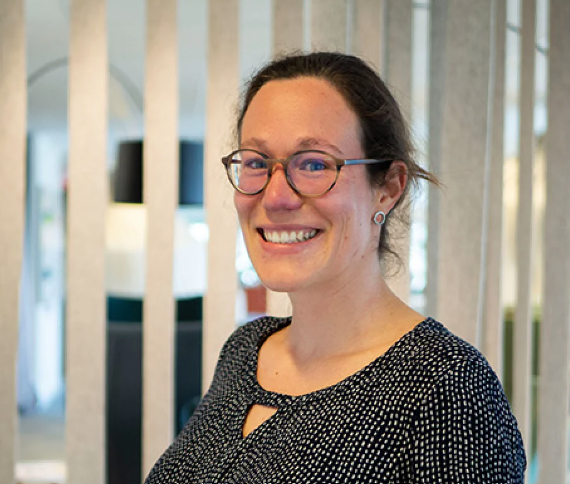
AURÉLIE CARLIER

tenure track Associate Professor at the MERLN Institute in Maastricht, the Netherlands

Amit Gefen

Professor of Biomedical engineering, Tel Aviv University, Israel; Skin Integrity Research Group (SKINT) Ghent University, Belgium; Data Science Institute, Hasselt University, Belgium; Faculty of Medicine and Health, University of Sydney

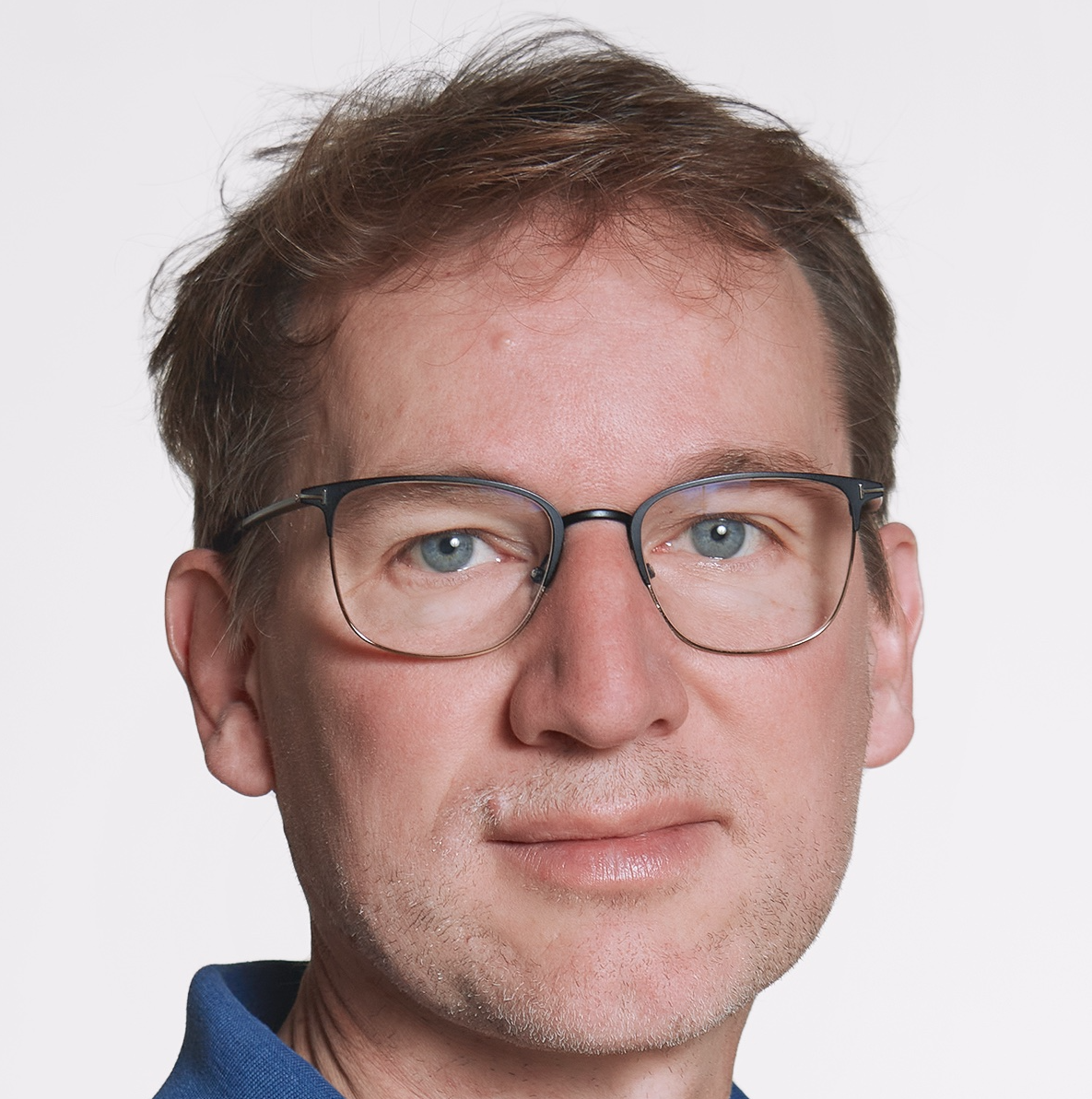
Jean-Philippe Vert

Co-founder and CEO at Bioptimus, France

Plenary speakers lecture details

The kidney is a truly remarkable organ. Beyond its essential role in filtering blood and maintaining fluid and electrolyte balance, it regulates blood pressure and supports overall homeostasis. Unlike many other organs, however, the kidney has only limited regenerative capacity. When injury occurs, repair mechanisms are often insufficient, which can lead to acute kidney injury or progression to chronic kidney disease—conditions that together affect millions of patients worldwide each year.

In this talk, I will demonstrate how mathematical and computational models can deepen our understanding of renal transport mechanisms and help identify patient-specific therapeutic strategies and improved dialysis methodologies. I will conclude with an outlook on the role of automation, and the road toward regulatory acceptance of computational models in nephrology.
This keynote lecture will explore how bioengineering is transforming contemporary wound care through the convergence of artificial intelligence, computational modeling and robotic patient systems. Specifically, the presentation will examine how machine learning and image-based analytics are facilitating earlier diagnosis, personalized prognosis and automated monitoring of chronic wounds. The application of in silico and robotic wound-care patients that reproduce clinically relevant biomechanical and biological conditions, thereby offering standardized platforms for testing dressings, therapies, prevention strategies, and comparative treatment efficacy (for R&D or post-market study purposes) will also be addressed. The lecture will further discuss how engineering principles can bridge laboratory science and bedside practice by creating quantitative, evidence-based tools for clinicians, researchers and industry. Finally, the session will outline future directions in intelligent wound technologies that may redefine patient-specific wound care in the years ahead.